
An energy audit helps medical, dental and vet practices understand their energy consumption, identify inefficiencies, and find cost-effective ways to reduce energy use, without impacting infection control standards. Don't stress, small businesses regularly conduct basic audits internally or, you can hire a professional for a more in-depth assessment.
Step 1: Review energy bills
- Collect electricity, gas, and water bills for the past 12 months.
- Look for trends in consumption and identify any spikes or seasonal variations.
- Compare your energy usage to industry benchmarks (if available).
Step 2: Identify major energy-consuming equipment
- List all energy-consuming appliances and systems, including:
- Heating, ventilation, and air conditioning (HVAC) systems
- Lighting (fluorescent, LED, halogen, etc.)
- Medical, dental, or veterinary equipment
- Computers, printers, and office electronics
- Kitchen appliances (fridges, microwaves, dishwashers)
- Water heating systems
- Air compressors and suction systems (for dental and vet clinics)
- Check the age, efficiency rating, and maintenance records of each item.
Step 3: Conduct a walk-through inspection
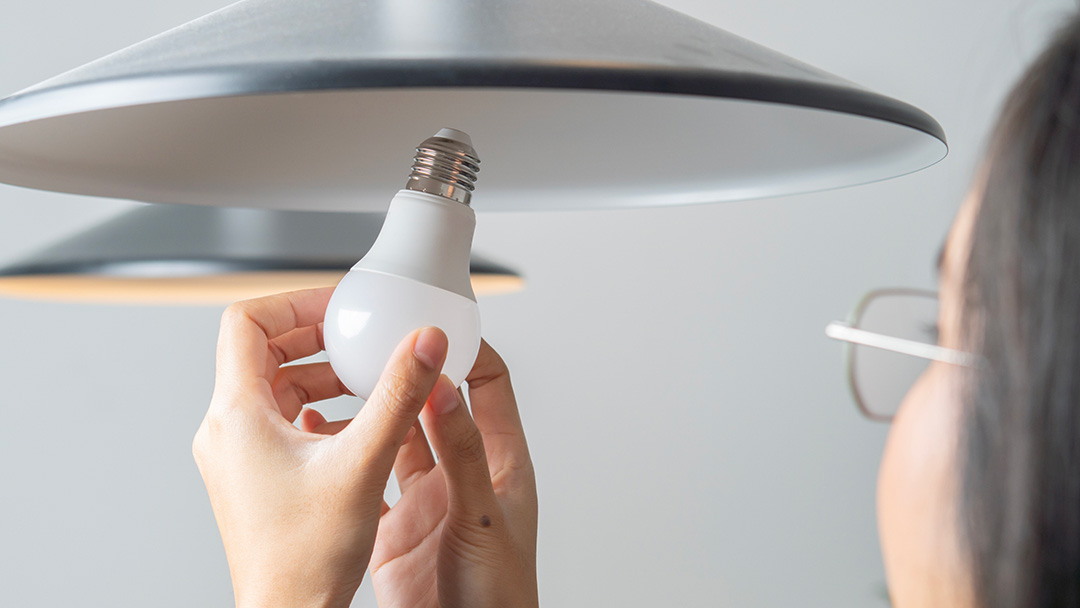
- Lighting: Are lights left on when not needed? Are there areas where LED lights could replace inefficient bulbs?
- Heating & cooling: Are there gaps in windows/doors causing heat loss? Are thermostats set efficiently?
- Standby power: Are unused devices left plugged in, drawing phantom energy?
- Water usage: Are taps, toilets, or sterilisation systems wasting water?
- Building insulation: Is the clinic well insulated, or does it lose heat/cool air quickly?
We recommend you take photos or notes of any inefficiencies observed.
Step 4: Measure energy consumption
- Use an energy monitoring system or smart meters to track real-time power usage. These can be purchased from companies like Reduction Revolution
- Identify peak hours when energy use is highest.
- Compare weekday vs. weekend consumption to see if equipment is left running unnecessarily.
Step 5: Identify quick wins
- Install solar panels or an energy storage system.
- Upgrade to an energy-efficient HVAC system.
- Improve building insulation and install double-glazed windows.
- Replace old office appliances with energy-efficient models.
- Implement an EV charging station for staff or clients.
Step 7: Review Government Incentives
- Check for rebates, tax deductions, or grants available through:
- Australian Taxation Office (ATO) – Instant asset write-offs for energy-efficient equipment.
- State government programs – Energy efficiency grants for small businesses.
- Consider green loan solutions – Financing options for businesses adopting renewable energy.
Step 8: Monitor & Adjust
- Track energy consumption monthly and compare it to previous bills.
- Train staff on best practices for energy savings.
- Conduct a mini energy audit every 6–12 months to ensure continuous improvement.

.jpg)