
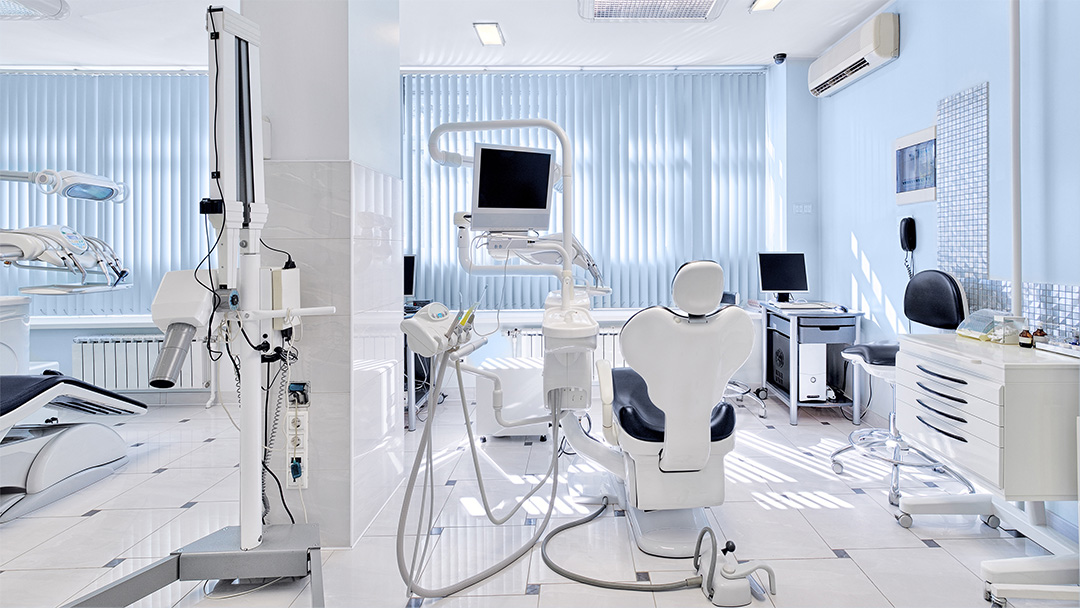
Buying a dental practice is an exciting moment, but it can also be extremely challenging. Every element of your business is down to you, not to mention the niggling doubt that you might do something wrong.
As a dentist with your own practice, you need to juggle tooth extractions and business strategies with ease. But balancing the responsibilities of delivering excellent oral health and being a successful business owner is no easy feat.
Most dental professionals do not have the same grounding in business matters as they do in primary dental care and clinical procedures.
That’s why you need to understand what to look for when you're evaluating a dental practice for purchase and have a sound grasp of the business side of practice ownership.
Use this "purchasing a dental practice" checklist and learn the most critical factors to consider when making one of the biggest financial decisions of your life.
Here is what you need to think about before taking the next step in dentistry:
Due diligence
Due diligence is the process you go through prior to purchasing a practice by assessing all the risks and factors affecting its future growth. Due diligence is crucial throughout the process of buying a dental practice and involves analysis of assets and financial aspects such as:
- Equipment
- Premises
- Employment and supply contracts
- Licences and approvals
- Financial and legal documents
You should also search the Personal Property Security Register (PPSR) to check whether or not the equipment is on loan and make sure the equipment is in good condition. If the practice includes a lease, you need to ensure that you get the lease transferred over to you.
Be sure to take into account any potential perils. Conduct a deep investigation into all financial, legal, and clinical aspects.
Inventory
When purchasing a dental practice, it is extremely important you review the practices stock list and complete a stocktake. This process helps you know exactly what is in the practice, providing transparency to the buyer and seller on settlement day. This process will protect you against purchasing expired or half used items of stock with no value.
However, performing an accurate stocktake on the settlement day is no easy feat - especially for dental professionals who aren’t experts on checking and recording inventory items.
For a successful sale, we are highly encouraging all future practice owners to use Invedent, Australia’s first dental-specific stock management and ordering system. Invedent is easy to implement and use and helps you perform a perfect stocktake on the settlement day, which provides transparency between you and the seller and builds a relationship based on trust.
Hygiene and patient base
Taking a closer look at the practice's hygiene regulations and patient base will help you assess the success of your business and whether or not the practice is a good fit for you.
In particular, you should consider taking a look at:
- Active patient base and patient volume
- New patient flow
- How well the practice follows hygiene procedures and regulations.
The greatest asset in a dental practice is the patient base. You want to buy a practice that has a loyal patient base and the ability to attract new patients in the future and grow exponentially.
Also, make sure you check if there is anything important to know about the vendor’s reasons for selling. Understanding the motivations of the vendor is crucial to determining the success of your practice.
Net profits & essential KPIs
Before purchasing a dental practice, you need to look for anomalies, unrealised expenses, and collections of accounts receivable. You want to purchase a practice with healthy net profits or cash flow, where revenues and expenses are moving in tandem.
Below you will find a few essential KPIs you need to review so you can accurately decide whether this is the right purchase for you:
- Patient Acquisition Cost (a metric used to determine the total average cost the practice spends to acquire a new patient)
- Patient Retention Rate (the rate at which the practice is able to retain patients)
- Profit Margin (the percentage of profit a practice produces from its total revenue)
- Overhead (fixed expenses such as utilities and insurance)
- Employee Turnover (this is a non-financial KPI that can help you understand how well the practice is running)
- Staff Debt (Staff annual leave and sick leave)
Make sure you analyse each of these KPIs as they can give you a snapshot of the practice's health.
Considering these factors is crucial so you can have an idea about whether a dental practice is a worthwhile purchase or not. Hopefully, this article will prepare you to act fast, so you don’t miss out on the right practice when you find it.
At Credabl, our goal is to support medical professionals to fulfil their potential. If you've got any questions about preparing for buying a dental practice, get in touch with a member of our team today or call 1300 27 33 22.
.jpg)

.jpg)